
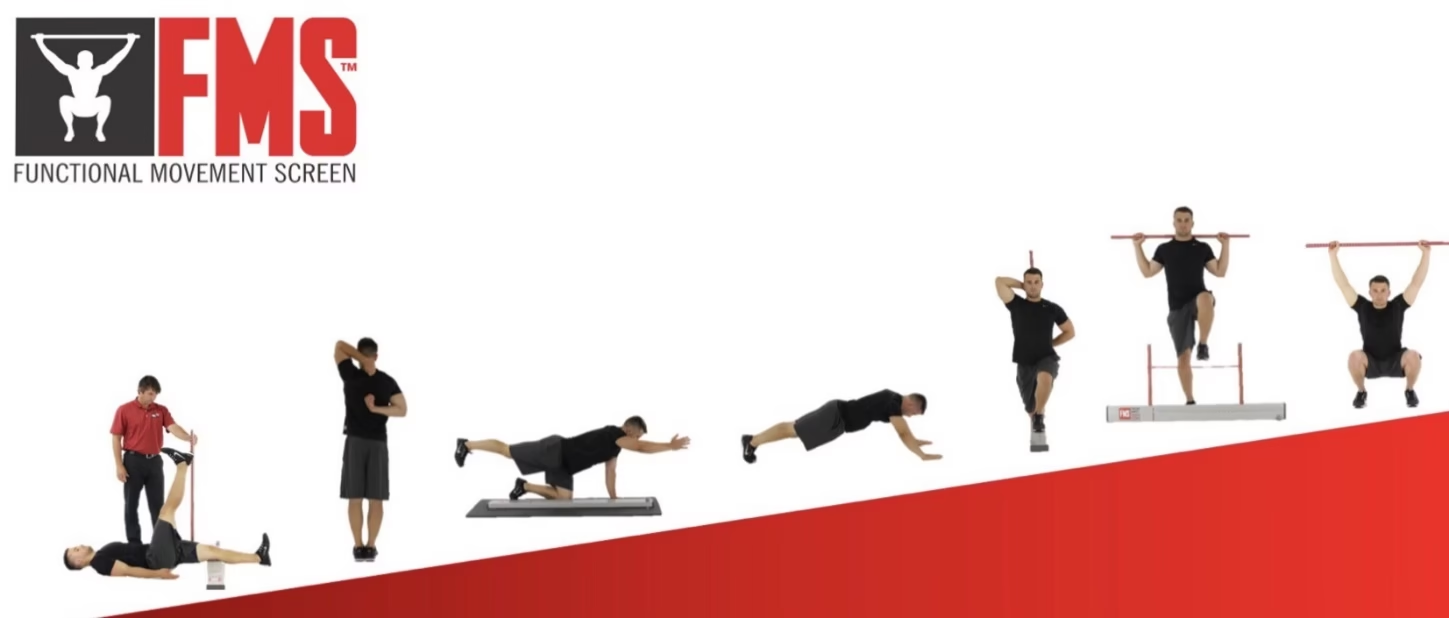
FMS is grounded in the understanding that proper movement patterns are essential for optimal function in everyday activities and athletic performance. These patterns, such as squatting, lunging, and reaching, involve the integration of multiple joints and muscles working in harmony. When these movement patterns become dysfunctional—due to muscle imbalances, weakness, or tightness—they can lead to compensatory movements that increase the risk of injury and decrease efficiency.
The FMS assesses seven fundamental movements, including the deep squat, hurdle step, in-line lunge, shoulder mobility, active straight-leg raise, trunk stability push-up, and rotary stability. These movements are scored based on how well the individual performs them, allowing practitioners to identify problem areas that need improvement.
How FMS Works:
1. Identification of Dysfunctional Patterns: The FMS highlights any limitations or asymmetries in basic movement patterns. These dysfunctions may not cause immediate pain but can contribute to long-term wear and tear on the body, leading to overuse injuries.
2. Biomechanical Imbalance Detection: Imbalances in strength and mobility often go unnoticed until an injury occurs. FMS identifies these imbalances early, allowing for corrective strategies to be implemented before an injury manifests.
3. Development of Personalized Exercise Programs: Based on the FMS results, practitioners develop tailored exercise programs that focus on correcting the identified dysfunctions. This personalized approach addresses weak links in the movement chain, enhancing physical performance and reducing injury risk.
4. Improved Neuromuscular Efficiency: FMS helps refine the communication between the brain and muscles, improving neuromuscular coordination. Correcting inefficient movement patterns not only reduces injury risk but also allows for more efficient and powerful movements in both athletic and daily activities.
FMS Benefits:
Injury Prevention: By identifying movement dysfunctions before they lead to injury, FMS helps athletes and individuals prevent overuse injuries, strains, and joint issues. This proactive approach ensures that weaknesses are corrected before they become problematic.
Optimized Performance: FMS improves movement quality by addressing imbalances and weaknesses, leading to more efficient and powerful movement patterns. This is particularly beneficial for athletes who need to maximize performance while minimizing injury risk.
Personalized Training Plans: FMS provides detailed insight into an individual’s specific needs, allowing for customized training programs that target areas requiring improvement. This ensures that each exercise plan is tailored to the individual’s unique biomechanics.
Long-Term Functional Health: Beyond athletic performance, FMS promotes better functional health by improving the way people move in their daily lives. This leads to improved posture, mobility, and long-term musculoskeletal health.
FMS has revolutionized the way movement is analyzed and corrected in sports performance and rehabilitation. His deep understanding of the interplay between mobility, stability, and strength has been a guiding force in developing FMS as the gold standard for movement assessment.
In collaboration with Dr. Jon Petrick, who shares this passion for improving functional movement and reducing injury, the FMS has become an invaluable tool..
